x




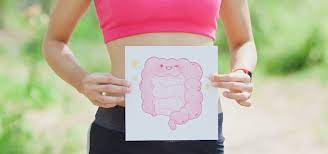
1. The stomach and gut epithelium and mucous membrane comprise the lining of the GI tract.
The lining of the GI tract is composed of epithelial cells. These cells are literally YOUR gatekeepers for what gets into your body from the digestive tract and perform a variety of functions in this ‘gatekeeper’ role. Not only do they allow fluids, nutrients, energy substrates, electrolytes, proteins and peptides into the bloodstream, but they also are the ‘first-line’ defense mechanism in keeping viruses and pathogenic bacteria out! Because of all these vital roles the epithelial cells play, it is absolutely imperative to develop and maintain a healthy and robust epithelium, just like you would for your muscles.
By design, these cells are relatively sensitive and have some of the highest turnover of cells in our body. They are highly sensitive to nutritional and inflammatory inputs. With this basic information, you can now see how, over time, fueling your body with concentrated forms of carbohydrates, including simple sugars, can impact your GI tract. High energy, easily oxidized and nutritionally devoid forms of foods and fuels create a situation where epithelial cells are impacted by being nutritionally deprived and subject to a lot of oxidative stress resulting in a huge inflammatory load . . . is it any wonder that so many athletes’ stomach and gut are literally revolting against the onslaught of gels, bars and liquid nutrition?
Maintaining a robust epithelium is also critical to a robust, diverse and well populated biome. Think of it as a rainforest canopy of diverse plant life. Like a tropical rainforest over a hundred feet tall, a robust epithelium has hundred of types of epithelial cells within, all the way to the gut barrier and, along with this, structure a large, diverse and healthy population of bacteria, fungi and archaea composing the human gut biome. ‘Burn’ this metaphorical rainforest down with easily oxidized carbohydrates including simple sugars and you can envision how this impacts both the epithelium and the biome’s capacity for digestion and first line defense against antigens.
2. The microbiome which resides within the epithelium.
While the human microbiome is a hot topic, it is also one filled with well-intended but mis-guided information. Your GI tract is the principal residence for your biome which is composed of the Bacteria, Fungi, and Archaea which are in a constantly shifting dynamic balance.
Your microbiome co-exists with and within your intestinal epithelium, and when both are healthy and robust, they are synergistic in conferring even greater GI health & fitness, which confers overall health & fitness. When either is compromised, the other is too. Like the epithelium, the biome is also highly sensitive to what feeds this diverse community.
In feeding the biome, your biome also performs some firstline metabolic functions ahead of your body in terms of protection and nutrition.
What feeds your biome ultimately feeds you. Your biome is an integral part of the digestive process and these residents produce or become the actual nutrition your body feeds upon to get its energy and nutrition. These are the long-chain fatty acids and lipo-proteins your body absorbs as key nutritional building blocks. This is particularly true for people who consume a plant based diet or a diet of highly processed foods, but less so in cooked, minimally processed animal-based foods and naturally cultured foods.
A robust and healthy biome is often able to consume and overcome exposure to small viral and bacterial loads, break down allergen inducing proteins (a perfect example is gluten) and sequester heavy metals ahead of the body having to do so. These functions prevent or minimize an inflammatory and/or histamine response and are vital to maintaining a healthy immune system.
What feeds it, and even what does not feed it, have a profound impact on the profile of the bacteria, fungi and archaea. Other factors like antibiotic use, type of antibiotics, types of foods consumed, probiotic foods, probiotic supplementation, feeding timing, exposure to external viruses, bacterial infections, heavy metals, environmental toxins, parasites, etc. all add into the mix of variables which influence your biome and how it influences your health. This is a delicate balancing act.
.png)