x




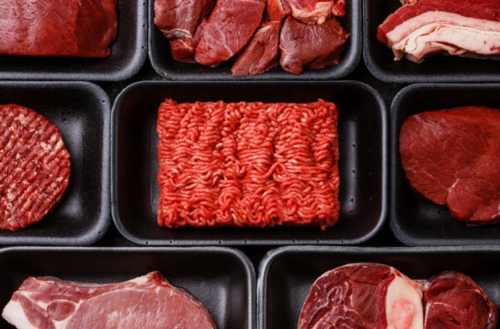
Want to be sure you’re eating enough protein to maintain your muscle mass? Be careful about which sources you choose. Here are four common sources of protein that our dietitians believe will do you more harm than good:
Hot dogs, bacon, sausage and other processed meats may be your guilty pleasure. But their price tag for your health is high.
“Hot dogs have very little nutrition for the amount of calories you’re consuming, and contain only a small amount of poor-quality protein,” They’re loaded with preservatives and contain mechanically separated meat, she notes.
“Hot dogs and other processed meats such as salami, pepperoni, and sausage generally contain less protein than a piece of fresh lean meat or fish.”
Their high saturated fat and sodium content raises cholesterol and blood pressure, and encourages weight gain.
Most worrisome of all, processed meats are considered carcinogenic. Many contain nitrates or nitrites, which studies link to several cancers. Regularly eating processed meats is correlated with an increased risk of colorectal cancer.
Eating lots of red meat — meaning beef, pork and lamb — can be hazardous for your health.
“Grain-fed red meat is my least favorite source of protein, due to its high saturated fat content and impact on the environment,”
Research links diets high in red meat to a higher risk of heart attack and stroke. The World Health Organization has also named red meats probable carcinogens because they are associated with several cancers.
“If you must eat red meat, do so sparingly, and choose grass-fed meats. They are lower in fat, and research shows they contain 50 percent more omega-3 fats than conventionally fed animals,”
Add protein powder to your smoothie every morning? Be sure to read the ingredients first. “All protein powders are not created equal,”
The protein base can be whey, casein, beef, collagen, hemp, pea or rice.
“But some protein powders are also loaded with added sugar, artificial sweeteners, preservatives, etc.,” she says. “And because they are regulated as supplements and not food, protein powders may also contain fillers, binders, colors, flavoring and preservatives.”
She recommends choosing a high-quality product that is in line with your eating principals. If you’re vegetarian, you’ll want plant-based protein. If you have a dairy intolerance or allergy, you’ll want to avoid whey.
As a general rule, looking for organic protein powders that have few ingredients, and no added sugars, artificial sweeteners, preservatives or fillers.
Are you a cheese lover? Relying chiefly on dairy for your protein has pitfalls. It may be wise to cut back if you want to avoid weight gain.
Most dairy products contain some animal protein: 7 grams in 1 ounce of cheddar cheese, 8 grams in 1 cup of milk, 9 to 17 grams in 8 ounces of yogurt.
But a single ounce of cheddar cheese also has 6 grams of saturated fat.