x




Maintaining optimal digestive health is important to the body’s overall well-being. About 70% of the immune system is located in the digestive tract. If an individual cannot properly digest, absorb, and eliminate food, other bodily functions may suffer.
Additionally, poor digestive health is associated with a number of chronic health conditions. These include:
The National Institute of Diabetes and Digestive and Kidney Diseases reports 60 to 70 million people are affected by digestive diseases. Fortunately, there are many simple, effective ways to improve digestive health, and as such, reduce the risk of developing debilitating and possibly deadly diseases.
Probiotics refer to “good” bacteria that are beneficial to the health of the gut microbiome. There are two primary types of probiotics: Lactobacillus and Bifidobacterium. Lactobacillus is the most common type of probiotic and is found in yogurt and various fermented foods. Lactobacillus strains help people who are dealing with diarrhea or cannot digest sugar that is present in milk (lactose). Bifidobacterium is found in some dairy products, and it helps individuals alleviate IBS and other digestive health conditions.
Probiotics help keep the gut healthy and have been shown to help people treat IBD, IBS, infectious diarrhea, and other digestive health conditions. Because they balance the ratio of “good” and “bad” bacteria in the body, probiotics help the body’s immune system function properly. Food sources of probiotics, especially yogurt without sugar is helpful after you’ve had a round of antibiotics because it helps increase the good bacteria count.
Exercise is one of the building blocks of a healthy lifestyle, and it helps an individual relieve constipation and promote healthy digestion. By exercising regularly, an individual can strengthen his or her digestive tract.
Recent research indicates exercise has protective effects on the GI tract, and there is evidence that humans and animals who exercise have a reduced risk of colon cancer. Studies also indicate that exercise helps lower the risk of diverticular disease and constipation.
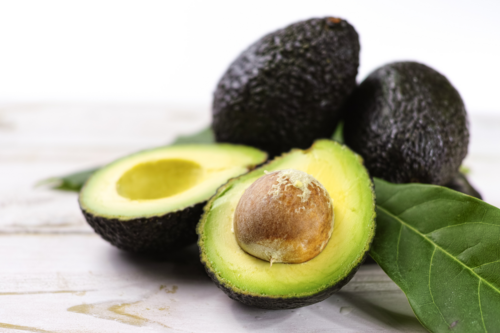
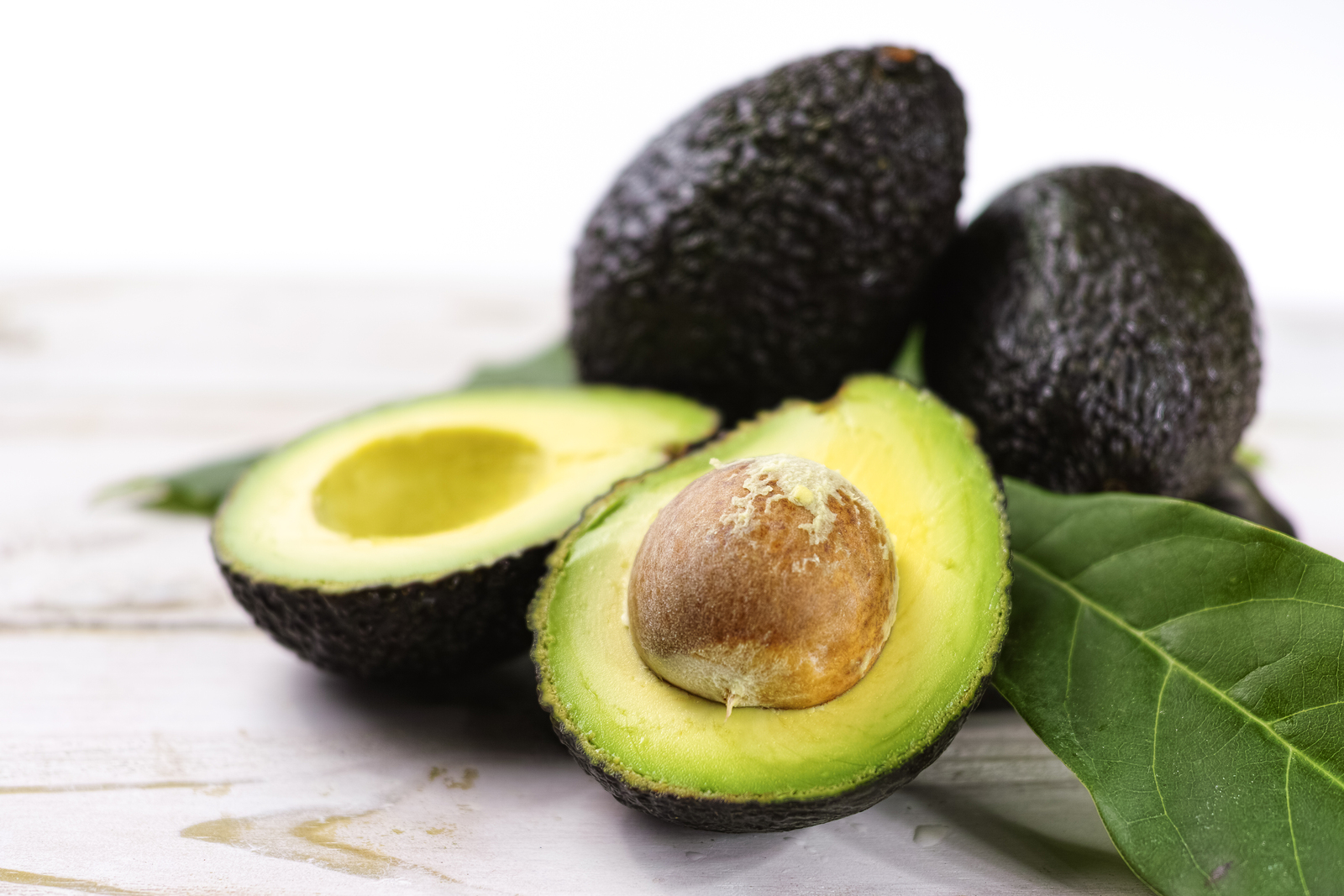
Eating avocados offers a good option to cleanse the digestive system. An avocado contains 54% of the daily recommended allowance of fiber, according to One Green Planet. Plus, avocados are rich sources of fiber, vitamins, minerals, and healthy polyunsaturated and monounsaturated fats to support improved digestive health.
Also, avocados contain high levels of potassium and magnesium. These nutrients help bring water to the digestive system, thereby reducing constipation.
Caffeine is a stimulant that helps increase an individual’s alertness and speeds up the metabolism. At the same time, caffeine is acidic and increases the acidity and amount of gastric secretions. Caffeine also increases the production of stress hormones cortisol, adrenaline, and norepinephrine; this reduces the blood supply to the intestines and slows digestion.
When it comes to caffeine consumption, moderation is key. The U.S. Food and Drug Administration (FDA) states 400 mg a day of caffeine – or roughly four to five cups of coffee – is considered safe. For those who follow the FDA guideline but continue to experience digestive health issues, reducing or eliminating caffeine consumption may help alleviate these problems.
Stress triggers a “fight or flight” response in the nervous system. Thus, when a person feels stressed, his or her nervous system may shut down blood flow to the digestive system. If digestion slows or shuts down, GI system inflammation may occur and in turn, increase an individual’s risk of infection.
Physical activity often helps an individual eliminate stress. Exercise stimulates the release of endorphins, chemicals in the brain that have been shown to help individuals relieve stress and improve their mood. Moreover, resisting the urge to overeat or binge on junk food may help limit stress and improve digestion. People also may want to avoid anti-inflammatory medications for stress headaches, as these medications may damage the digestive tract.
Yoga helps rejuvenate the body and mind and increase one’s energy levels. Simultaneously, various yoga poses can help people relieve gas, constipation, bloating, and other sources of digestive discomfort. The cat-cow, downward-facing dog, and triangle poses are among the most popular yoga poses that have been shown to help improve digestion.

Water is essential for transporting nutrients throughout the body and eliminating waste products from the body. Drinking sufficient amounts of water and eating foods that contain water aids digestion. Water is necessary for the body to digest soluble fiber, which in turn, leads to soft, well-formed stools that are easy to pass.
The Institute of Medicine (IOM) recommends men consume 104 oz. of water and women consume 72 oz. of water daily. This equates to approximately 13 cups of water for men and 9 cups of water for women. Of course, those living in hot climates or at high elevations may need to drink additional water to stay hydrated throughout the day.
Besides tasting good, berries contain vitamins and minerals that are rich in antioxidants, substances that protect the cells lining the gut and manage gut inflammation. The antioxidants in berries safeguard the gut’s epithelial cells, cells that allow minerals, vitamins, and nutrients to enter the bloodstream while preventing dangerous bacteria, undigested foods, and harmful toxins from entering. As a result, the risk of inflammatory gut conditions or infections may be reduced.

Almonds contain calcium, vitamin E, magnesium, potassium, and other vital nutrients. Adding almonds to one’s daily diet may help reduce the risk of heart disease and metabolic syndrome, as well as promote satiety (feeling full after eating).
A recent Almond Board of California study indicated almonds serve as probiotics. In the study, researchers found patients who consumed almonds and almond skins significantly increased their levels of Lactobacillus and Bifidobacterium after six weeks. Researchers also noted the gut health benefits linked to eating almond skins lasted two weeks beyond the six-week study period.
Excess alcohol consumption has been shown to cause substantial damage to the stomach. It promotes vomiting and causes inflammation, heartburn, an increased risk of mouth and throat cancer and assorted intestinal issues.
Smoking has an astringent effect on the body. It narrows blood vessels and increases an individual’s risk of inflammation. In doing so, smoking raises a person’s risk of digestive complications like heartburn and ulcers.
Following the aforementioned tips may provide varying degrees of success in combating digestive health issues. In addition to healthy lifestyle choices and good nutrition, bovine colostrum supplementation is recommended for overall gut health for people of every age.
Published peer review studies indicate colostrum has the ability to eliminate and prevent gut-based infections (i.e. food poisoning) and help reduce gut inflammation. Because colostrum helps heal GI tissue and helps maintain a healthy microbiome, less reliance or elimination of prescription drugs may be possible.