x




Diet doesn't have to be a four-letter word.
Most of the time, a diet implies weight loss and comes loaded with restrictions and perhaps even plans that aren't very healthy. But new recommendations released recently by a team of health experts refer to diet with a different goal in mind: preventing heart disease and stroke.
"We see a lot about diets on the internet, with everyone commenting about which ones are good for you, but tell me, good for what?" said Dr. Amit Khera, one of the authors of the 2019 Guideline on the Primary Prevention of Cardiovascular Disease. "If it's weight loss, sure, some of these diets can help you lose weight, but that does not mean they're heart-healthy."
Developed by the American Heart Association and American College of Cardiology, the new guidelines emphasize that a healthy, nutritious diet can play a tremendous role in lowering risk for heart attack and stroke. Such a diet also can help in "reducing or reversing" obesity, high cholesterol, diabetes and high blood pressure – all considered risk factors for heart disease.
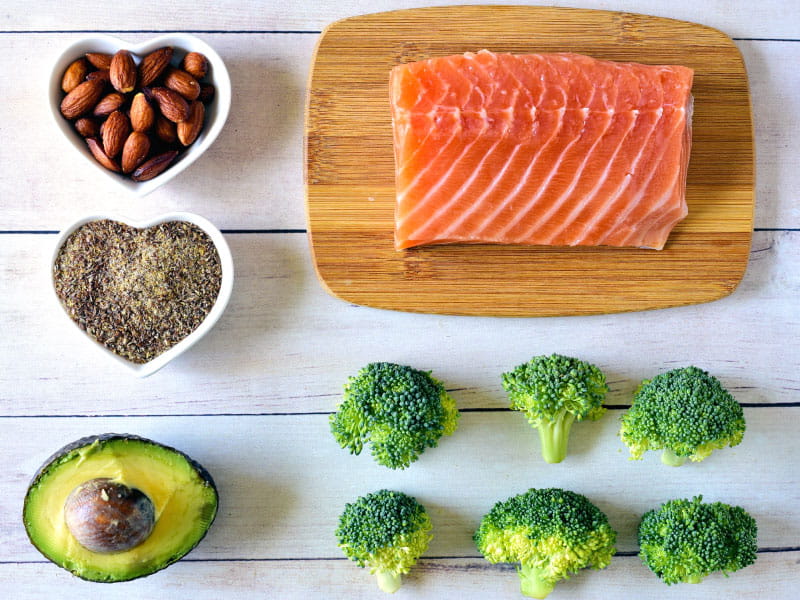
Specifically, the recommendations advise high consumption of fruits, vegetables, legumes, nuts, whole grains and "lean vegetable or animal protein (preferably fish)." Plant-based and Mediterranean diets, which embrace this type of pattern, are singled out in the guidelines.
The Mediterranean diet isn't actually one specific diet but a reflection of the eating habits common in the numerous countries bordering the Mediterranean Sea. It shares many characteristics with the diet known as DASH, or Dietary Approaches to Stop Hypertension, frequently prescribed to help lower blood pressure.
Both plans emphasize fruits, vegetables, whole grains, beans and nuts. But the Mediterranean diet includes regular use of olive oil, low to moderate intake of fish and poultry, and rare consumption of red meat and dairy products. The DASH diet allows more protein sources from low-fat dairy and cuts of meat and poultry.
Both plans avoid food high in saturated and trans fat, which the guidelines also discourage.
"I always tell patients, healthy diets – whether Mediterranean, DASH – they're all more alike than they are different," said Khera, a professor of medicine and director of the preventive cardiology program at UT Southwestern Medical Center in Dallas.
Khera noted that the previous prevention guidelines restricted dietary approaches to focus on lowering blood pressure and cholesterol levels. The new update provides a more comprehensive approach to making heart-healthy choices to lower overall cardiovascular risk.
The guidelines also recommend limiting processed meats, refined carbohydrates and all types of sweetened beverages because of their link to increased risk of death, heart disease and stroke.
The guidelines' authors also note that certain diets popular in recent years, including variations of a low-carb, high-fat/high-protein theme, have been linked to early death in various studies.
Dr. Kim Williams, another member of the guideline writing committee, said these fad diets, including the ketogenic diet, gain traction because they often yield dramatic results.
"What you're looking at, unfortunately, is short-term outcome, and weight does go down," said Williams, cardiology chief at the Rush University Medical Center in Chicago. "When you have dramatic weight loss, your diabetes will get better or even normalize. Blood pressure will go down as well. Cholesterol? Not so much."
But he said on the extreme opposite end of the spectrum, some vegans who shun meat, dairy and other animal-based products aren't making heart-smart selections if they load their plates full of fried foods or refined carbohydrates such as white bread, pasta and white rice.
When it comes to preventing disease, stick with what has shown to work