x




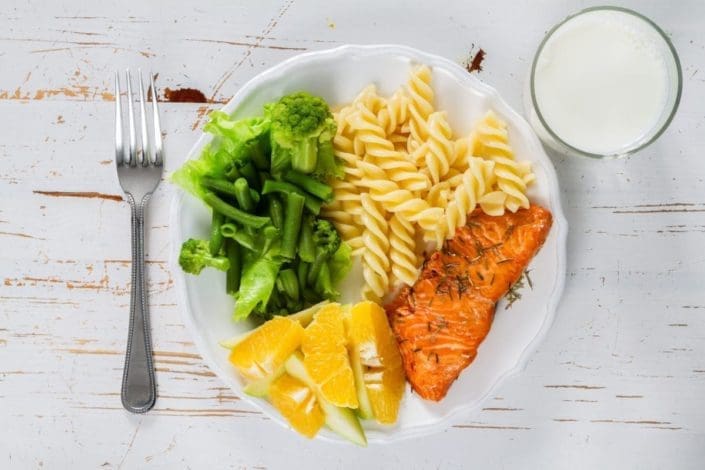
The U.S. Department of Agriculture (USDA) provides dietary guidance to Americans to help them eat healthy. For a long time, the USDA displayed its recommendations using a food pyramid. In 2011, it switched to a new graphic of a plate filled with the proper amounts of foods. Known as MyPlate, it focuses on variety, amount, and nutrition for each meal. Healthy eating is important in managing or preventing chronic disease and enjoying a better quality of life. Use MyPlate to help create a healthy eating routine and lifestyle.
Five food groups make up the food plate.
Oils are not counted as a food group on MyPlate. However, they do contain nutrients. Be sure to only consume them in limited portions. USDA recommends an average of 5 teaspoons of oils each day. There are a variety of oils made from different plants and nuts, as well as fish. Solid fats, such as butter or chicken fat, often are made from animal foods. Before choosing oils, look at the ingredients on the nutrition facts label. Oils and fats can include both good and bad fats.
Use USDA’s MyPlate to balance your diet. Choose a variety of foods that are rich in nutrients. Keep in mind that the amount of food you should consume from the 5 food groups each day does vary. Your sex, age, and level of activity all determine your portions. Talk to your doctor about your diet. They can make suggestions based on your health and any conditions you may have. Certain programs and apps can help you track your food intake. Some will balance your food intake with your exercise output.
Almost everyone should get some physical activity each day. Check with your doctor if you a health problem that may prevent or limit this. On average, children should be active for at least 60 minutes each day. Adults should be active for at least 150 minutes each week. Exercise for both kids and adults should include a Iof moderate and vigorous intensity. Aim to do a variety of activities to maximize your health benefits.
Improve Your Health 3 Min Story
.png)