x




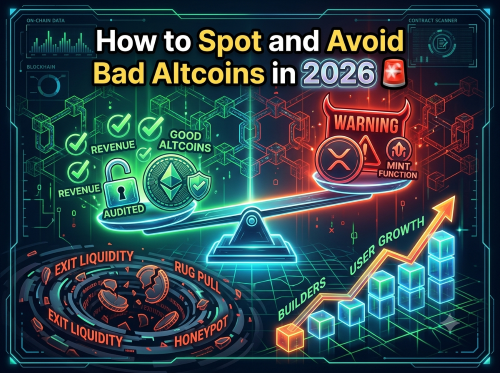
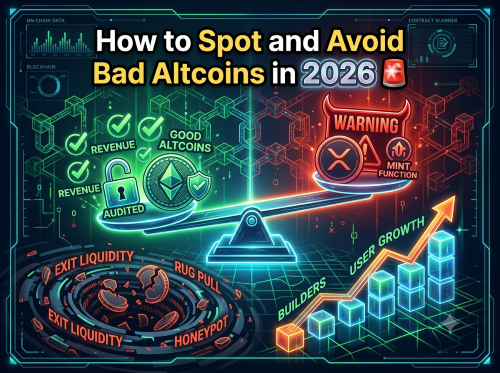
Navigating the cryptocurrency market in 2026 requires more vigilance than ever before. While the potential for substantial returns continues to attract retail and institutional investors alike, the sheer volume of speculative and predatory tokens flooding major blockchain networks has reached unprecedented levels. Thousands of new altcoins launch every single day, but a staggering majority are engineered from inception not to build long-term value, but to extract capital from unsuspecting buyers.
To help you protect your portfolio from predatory schemes and rug pulls, this detailed guide breaks down the essential red flags, green flags, and step-by-step due diligence methods highlighted in the latest Coin Bureau analysis.
Watch the embedded video below for the complete breakdown, and read on for an in-depth exploration of how to audit any altcoin before risking your hard-earned capital.
The altcoin market has evolved into a hyper-competitive arena where opportunistic bad actors operate with alarming sophistication. Across major chains and token launchpads such as Pump.fun and PancakeSwap, thousands of tokens are generated daily. However, industry data presents a sobering picture:
Compounding this challenge is the fact that independent tracking infrastructure and watchdog platforms have faced sustainability hurdles, with several prominent analytics providers scaling back operations. Consequently, the responsibility of safeguarding your funds rests entirely on your ability to conduct rigorous, independent research.
Before evaluating specific tokens, it is vital to distinguish between a genuine investment risk and an engineered scam:
Engineered scams almost always leave technical and behavioural fingerprints on-chain and across social channels. By learning to identify these signals early, you can systematically filter out dangerous tokens.
When inspecting a new or trending altcoin, pay close attention to the following warning signs:
1. Anonymous Teams and Synthetic Identities
While pseudonymity has deep roots in crypto history, modern rug pulls frequently employ synthetic team profiles. Watch out for newly created social personas with no verifiable history, AI-generated profile images, exaggerated career claims at reputable tech firms, or anonymous developers who refuse to build a public track record.
Furthermore, beware of unverified partnership claims. Fraudulent projects routinely place corporate logos on their websites to imply official backing. Unless the named partner confirms the relationship on their official channels, assume the partnership is fictitious.
2. Predatory Tokenomics and Vesting Cliffs
Tokenomics structure is often where malicious intent is most obvious. Two specific tokenomic patterns frequently precede major crashes:
3. Dangerous On-Chain Concentration
Healthy decentralised protocols distribute their token supply across thousands of independent holders. If a project's top 10 non-exchange wallets control more than 20% of the circulating supply, caution is required. In many scam tokens, insider wallet clusters quietly control 80% to 90% of the total supply, allowing a single entity to crash the price instantly.
4. Malicious Smart Contract Code
Always inspect the underlying smart contract permissions before swapping funds. Key technical vulnerabilities include:
5. Superficial or Forged Audits
Over three-quarters of fraudulent tokens operate without any smart contract audit. However, sophisticated scammers often display security badges from obscure or non-existent audit firms. Always navigate directly to the official domain of the security auditor to confirm the audit report's authenticity, and verify that the audited code matches the deployed contract address.
6. Social Manipulation and Hostile Communities
Be wary if a token's social media presence consists entirely of identical, hyper-bullish posts published simultaneously by influencer accounts. Additionally, observe how the project's Telegram or Discord moderators handle critical questions. If polite enquiries regarding token unlocks, team allocations, or contract audits result in immediate bans or accusations of spreading fear, uncertainty, and doubt (FUD), walk away immediately.
Avoiding bad projects is only half the equation; you also need to recognise quality fundamentals. In the current market, sustainable altcoins exhibit clear commercial viability:
To streamline your research process, run every prospective token through this five-step audit before making an allocation:
Step 1: Fundamental Revenue Audit: Use analytics platforms such as DeFiLlama or Token Terminal to verify whether the protocol generates real fee income from active users.
Step 2: Supply Shock Assessment: Examine the upcoming token unlock schedule using dedicated unlock trackers. Identify any large cliff releases scheduled within the next 30 to 90 days.
Step 3: Automated Contract Security Scan: Paste the token address into automated contract analysis tools such as RugCheck, GoPlus, or Honeypot detector to check for minting rights and sell restrictions.
Step 4: Liquidity Lock Duration Verification: Inspect the token on DexScreener to verify that liquidity is either permanently burned or securely locked in a reputable locker for at least 6 to 12 months.
Step 5: Wallet Cluster Inspection: Analyse holder distribution using visual wallet tracking tools like BubbleMaps to uncover hidden insider clusters disguised as separate wallet addresses.
If an altcoin triggers three or more red flags during your investigation—such as an anonymous team, short liquidity lock, and high insider concentration—disregard the narrative and avoid the trade. In crypto, prevention is the only reliable strategy, as losses from rug pulls are rarely recovered.
Coin Bureau - How to Avoid Bad Altcoins in 2026
"Thousands of new altcoins launch every day, but most are designed to enrich insiders and leave retail investors holding worthless bags. This video lays out the concrete signs every bad coin shares—from fake founders and team tricks to dangerous tokenomics and dumped unlocks.
Cut through the noise with an exact checklist to protect your crypto in 2026. Find out which red flags predict a rug, and what real business fundamentals actually matter now. Avoid the scams and make smarter moves with your crypto this year."
~ TIMESTAMPS ~
00:00 – Engineered to Fail: The Predictable Truth About Bad Altcoins
02:40 – Red Flag #1: How to Spot Fake Teams and Fabricated Partnerships
05:00 – The Tokenomics Trap: Low Float, FDV, and Brutal Vesting Cliffs
07:53 – 3 Critical On-Chain Checks Every Crypto Investor Must Do
10:21 – Crypto Green Flags: 5 Signs a Project Has Real Value in 2026
12:16 – The 5-Step Due Diligence Process to Shield Your Capital
Source: 👉 https://www.youtube.com/watch?v=Nlti3UK2DwY
Disclaimer: This article is provided for informational purposes only, mistakes may be made, and it's not offered or intended to be used as legal, tax, investment, financial, or any other advice.