x




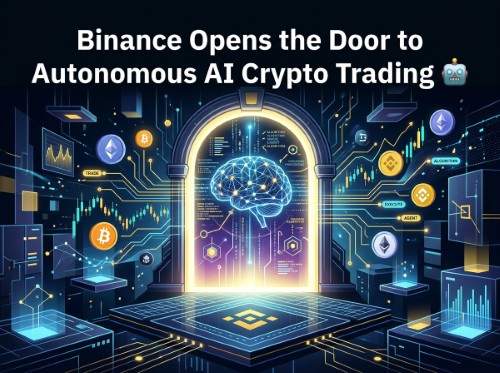
The intersection of artificial intelligence and digital asset markets has reached a landmark moment. Binance, the world's largest cryptocurrency exchange by trading volume, has unveiled Binance Agent OS—a comprehensive developer system designed to connect AI assistants like ChatGPT, Claude, and Codex directly to its trading engine.
This rollout allows sophisticated language models and autonomous software agents to execute market strategies on behalf of users, signalling a significant shift in how cryptocurrency trading may be conducted in the near future.
Binance Agent OS is a developer-focused infrastructure created to streamline the integration of AI tools into crypto financial services. By bundling several core technologies into a unified framework, Binance provides a bridge between autonomous software and live market liquidity.
Key components of the suite include:
Through these features, authorised agents can perform a variety of operations across Binance’s product offerings, including spot markets, margin trading, token conversions, and derivatives contracts.
At the heart of Binance Agent OS lies the Binance MCP Server, constructed using the open-standard Model Context Protocol (MCP). Traditionally, linking AI tools to financial platforms required developers and traders to manually configure complex API keys, manage secret parameters locally, and program custom connectors for each individual model.
MCP standardises how large language models (LLMs) connect to external tools and database environments. By using this uniform framework, tools such as Claude, ChatGPT, Codex, and VS Code can interface with Binance's ecosystem without requiring users to expose sensitive system keys locally. This significantly reduces technical friction while creating a standard interface for autonomous execution.
Entrusting financial execution to autonomous algorithms introduces obvious security considerations. To mitigate potential risks from algorithmic errors or unexpected model outputs, Binance has implemented strict operational boundaries:
Binance's launch comes amid an accelerating race among major crypto exchanges and Web3 infrastructure providers to capture the AI agent ecosystem. Industry leaders increasingly view autonomous software—rather than human retail traders—as a major future catalyst for on-chain and exchange activity.
Competitors are moving rapidly across multiple fronts:
While automated trading bots have existed for years, LLM-powered AI agents bring dynamic reasoning, natural language parsing, and context-aware market analysis to algorithmic trading. Instead of following rigid pre-programmed logic, these agents can evaluate sentiment, digest news, and adjust positions fluidly.
However, delegating financial decisions to AI models brings critical questions around accountability, model hallucinations, and systemic risk. Binance has emphasised heavy disclaimers, noting that AI tools are used at the trader's own risk and should not replace independent financial analysis.
As the lines between machine intelligence and digital asset markets continue to blur, platforms that balance seamless execution with robust safety architecture will likely define the next era of trading innovation.
Disclaimer: This article is provided for informational purposes only, mistakes may be made, and it's not offered or intended to be used as legal, tax, investment, financial, or any other advice.