



x
Black Bar Banner 1
x

New: Newsfeed drafts save automatically — even after a refresh. Write a post »  |  Learn how in Hive Academy »

A+ A−
Ads by Markethive - View All
Blogs
The Blog Feed
Write a New Blog Post
Search Blog Status
Most Viewed
Most Recent
Most Shared
Alphabetical
Blog Main Menu
Markethive Blog (default)
All Blogs
My Blog Posts
Friends' Blogs
Blog Categories
All
Advertising
Blockchain & Cryptocurrency
Business Development
Diet & Weight Loss
Environmental
Health and Wellness
History and Culture
Home and Garden
Marketing
Mentoring & Training
Money & Finance
Other
Political
Prayer & Religion
Programming & Technical
Real Estate
Search Engine Optimization
Social Media
Spirituality
Sports & Recreation
Transport
Travel & Events
Website Design
Blogging Tools & Assets
My Blog Info
Members Subscribed to You
Blogs You Are Subscribed To
Website Widget
Wordpress Plugin
Subscribe for Greater Services
Subscribe to one of many subscriptions, each one includes the previous ones.. Unlock powerful tools, advance features, to build a powerful reach.

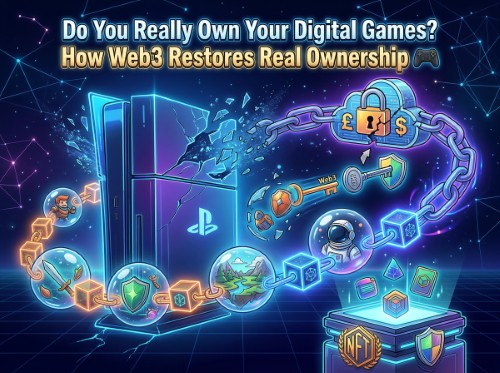
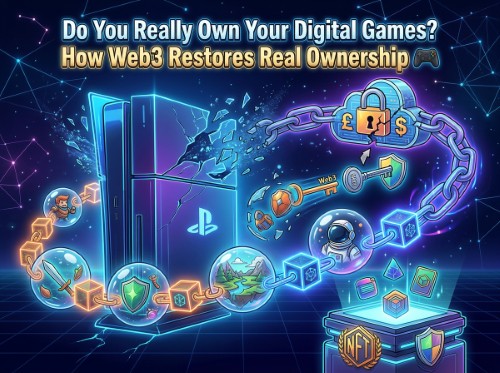
Do You Really Own Your Digital Games? How Web3 Restores Real Ownership 🎮

Posted by Simon Keighley on September 29, 2026 - 7:15am


Do You Really Own Your Digital Games? How Web3 Restores Real Ownership 🎮

Do You Really Own Your Digital Games? How Web3 Restores Real Ownership

When you click "Buy Now" on a digital storefront, hand over £60, and wait for a game to download to your console, you likely assume that title belongs to you. However, recent legal admissions from tech giants have laid bare a stark reality: in the eyes of digital platforms, you own nothing more than a temporary, revocable permission slip.

As digital media shifts further away from physical discs and cartridges towards digital downloads and streaming, consumer rights are facing an unprecedented challenge. While corporate legal teams defend this status quo, emerging innovations in Web3 and encrypted blockchain technology offer a promising framework to give gamers and consumers true digital ownership.


The Illusion of Digital Ownership: The Sony Precedent

The ongoing debate over digital property rights reached a boiling point during a proposed class-action lawsuit brought against Sony in California. In court filings, Sony defended its PlayStation Store practices by arguing that no reasonable consumer should expect to own the digital games they pay for. Instead, transactions merely grant a revocable licence—one that the platform operator can alter or terminate at its discretion.

This is far from an isolated incident; it reflects a broader structural shift across the entire digital entertainment ecosystem:

  • Ebooks: As far back as 2009, Amazon remotely deleted purchased copies of George Orwell's Nineteen Eighty-Four from users' Kindle devices following a rights dispute. More recently, publishers have edited classic texts by authors such as Roald Dahl and Agatha Christie directly on readers' devices.
  • Film and Television: Streaming platforms routinely purge movies and complete TV series from digital libraries, stripping access from consumers who paid full price under the impression they were adding the titles to a permanent library.
  • Music: Subscription-based streaming models have effectively swapped permanent music ownership for temporary access, weakening the direct link between fans and artists.

Under traditional property law, physical items enjoy robust protections against arbitrary seizure. In the digital realm, however, these protections fail to apply. Platform operators retain absolute control over central databases, meaning a single line of code can instantly revoke access or modify purchased content without the user's explicit consent.


Can Blockchain Technology Solve the Digital Licence Crisis?

To counter the vulnerabilities of centralized databases, blockchain advocates have long championed Web3 as a viable path forward. By recording transactions on a decentralized ledger, Non-Fungible Tokens (NFTs) can provide a clear, verifiable, and self-held title of ownership for digital items.

In theory, an NFT-based system allows gamers to hold their digital assets directly in their own crypto wallets. This architecture prevents a single corporation from unilaterally deleting a title or revoking a player's access. However, early iterations of NFTs suffered from key design flaws that prevented widespread mainstream adoption:

  1. Reliance on Centralized Servers: Many early NFTs merely contained a web link pointing to a file stored on a traditional corporate server. If that server went offline or the company shut down, the underlying media vanished, leaving the user with an empty token.
  2. Public Metadata and "Right-Click-Save": On public blockchains, asset metadata is visible to everyone. This creates a paradox where an individual may hold the legal token, but anyone can view, copy, or download the underlying media file.
  3. Speculative Hype: The initial NFT boom was dominated by financial speculation and art flipping, which damaged the technology's reputation and distracted from its underlying utility as an infrastructure tool.


Enter Encrypted NFTs: Privacy and Access Control

To deliver genuine digital ownership that mirrors the physical world, technology must secure both the ownership title and the underlying content itself. This is where encrypted NFTs enter the narrative.

By integrating advanced privacy technologies—such as Trusted Execution Environments (TEEs) and Fully Homomorphic Encryption (FHE)—developers can construct NFTs with confidential metadata and granular access controls.

Encrypted NFTs resolve the traditional pitfalls of Web3 asset management in several key ways:

  • Private Data Containment: Instead of broadcasting game files or sensitive media to a public ledger, encrypted NFTs restrict data access solely to the verified token holder.
  • Granular Rights Management: Developers can program precise permissions into the asset, ensuring that holding the token confers exclusive access to specific features, private game builds, or licencing rights.
  • Protection Against Unauthorised Copying: By hiding key parameters behind cryptographic shields, encrypted NFTs prevent the rampant "right-click-and-save" replication that plagued early digital collectables.


The Road Ahead: Overcoming Integration and Cultural Hurdles

While the technological foundations for confidential digital ownership exist, several hurdles remain before Web3 replaces conventional digital storefronts:

  • Ecosystem Integration: Current crypto wallets, marketplaces, and developer tools were largely built around open, public metadata. Upgrading this infrastructure to support cryptographic key management and private computation requires industry-wide alignment.
  • User Experience (UX): Managing private keys and cryptographic permissions remains overly complex for the average consumer. For Web3 gaming to succeed, wallet management must become seamless and invisible to the end user.
  • Cultural Credibility: Rebuilding trust among gamers and consumers requires moving away from speculative schemes and focusing entirely on real-world utility, robust consumer rights, and fair digital licencing.


Restoring Balance to Digital Commerce

The legal arguments put forward by digital storefront operators serve as a wake-up call for modern consumers. As physical media continues to decline, relying on centralized platforms leaves buyers completely reliant on the goodwill and corporate longevity of platform operators.

Blockchain technology and encrypted NFTs present a technically sound alternative—one that returns control to the consumer and establishes verifiable, private, and permanent ownership in the digital age. As standards mature and integration friction subsides, decentralized ownership could transform digital purchases from temporary rentals into genuine lifelong assets.


Disclaimer: This article is provided for informational purposes only, mistakes may be made, and it's not offered or intended to be used as legal, tax, investment, financial, or any other advice.




ecosystem for entrepreneurs











