x




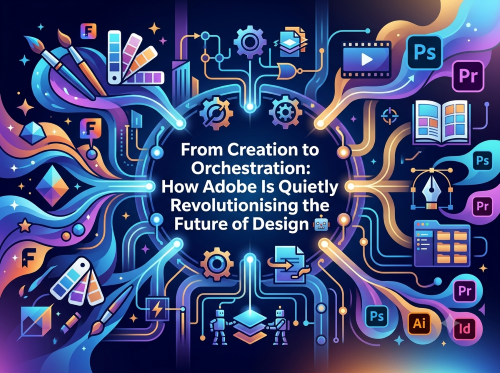
The conversation surrounding artificial intelligence in the creative sector is undergoing a profound paradigm shift. For the past few years, the narrative has been dominated by first-generation generative AI tools—systems that take a text prompt and output a flat, uneditable media file. Whilst impressive, these tools often feel like isolated sandboxes, detached from the intricate, multi-layered workflows that professional designers, video editors, and animators use daily.
Adobe is changing the game by shifting its focus from mere media generation to full-scale production orchestration. By embedding agentic AI workflows across its flagship Creative Cloud suite and an upgraded Firefly AI studio, the tech giant is transforming its assistant from a simple chatbot into a powerful orchestrator. This agent can interpret natural language prompts and directly hook into underlying software APIs to execute complex, multi-step production tasks. Crucially, it leaves the final aesthetic decisions exactly where they belong: in the hands of the human creator.
At the heart of this rollout—currently introduced in public beta across Premiere Pro, Photoshop, Illustrator, InDesign, and Frame.io—is a significant architectural upgrade handling persistent memory and context window management.
Within the upgraded Firefly creative AI studio, Adobe has introduced two foundational pillars:
Rather than just manipulating pixels, the creative agent operates seamlessly within the intricate document object models (DOMs) and document structures of desktop applications. It leverages decades of established desktop features, bringing powerful APIs directly into the conversational AI layer.
Adobe's strategic vision repositions the human user as a "creative director." The agent handles the repetitive, labour-intensive tasks that traditionally consume hours of a designer's day. To achieve this, Adobe has deployed highly specific specialist agents tailored to the unique logic of each application:
Furthermore, Adobe is expanding this ecosystem outward, actively integrating its creative connector into major third-party enterprise platforms like OpenAI's ChatGPT, Anthropic's Claude, Microsoft 365 Copilot, and eventually Google Gemini and Slack.
For enterprise decision-makers, system architects, and IT leaders, this release introduces distinct operational considerations. Unlike open-source orchestration frameworks operating under MIT or Apache licenses, Adobe’s creative agent is strictly proprietary and tethered to a commercial SaaS model, meaning active Creative Cloud licencing is required.
While the user-facing capabilities are undeniable, several critical infrastructure questions remain unanswered for technical teams building bespoke enterprise AI systems:
How Adobe positions itself against lightning-fast, developer-first multi-model platforms like fal.ai will be fascinating to observe as the enterprise developer ecosystem matures.
The introduction of autonomous agents naturally triggers a tension between eliminating workflow drudgery and surrendering creative control. However, data suggests that the creative community is eager for operational assistance. According to Adobe's recent Creators' Toolkit Report, which surveyed over 16,000 creators globally, 75% describe creative AI as integrated or essential to their current workflows. Crucially, 85% emphasised that the final creative decision must always remain in human hands.
By focusing its agent on file organisation, layer management, and brand compliance, Adobe aims to take away the administrative friction of design. The ultimate goal is to free creative professionals from the digital assembly line, allowing them to focus entirely on craft, taste, and the critical decisions that only a human can make.
To read the full breakdown of this announcement, check out the original article on VentureBeat:
Disclaimer: This article is provided for informational purposes only, mistakes may be made, and it's not offered or intended to be used as legal, tax, investment, financial, or any other advice.