x




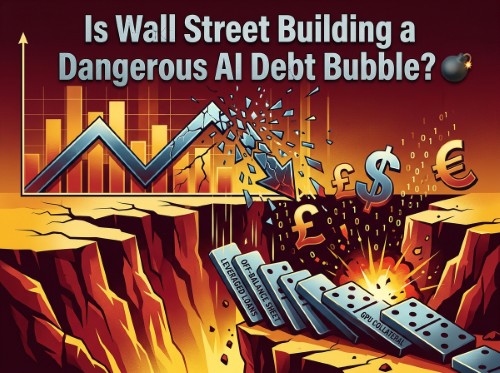
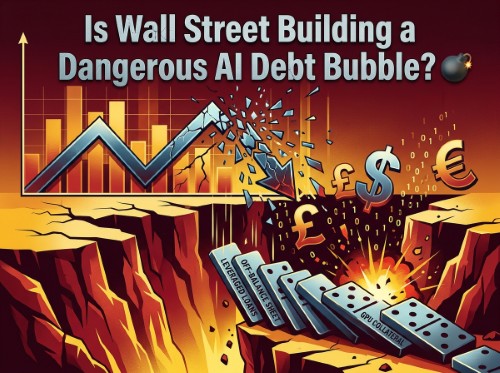
The global race to construct artificial intelligence infrastructure has sparked an unprecedented wave of capital deployment. Behind the headline-grabbing technological breakthroughs, however, lies a complex web of financial engineering. Major financial institutions and technology giants are increasingly relying on sophisticated debt structures, off-balance-sheet vehicles, and collateralised loans to fund the trillions of pounds needed to build next-generation data centres.
While this massive investment promises to reshape global computing, market analysts are drawing uncomfortable parallels to the structured credit mechanisms that preceded the 2008 global financial crisis.
Building out global AI capability requires astronomical investment. Capital expenditure estimates for data centres between 2025 and 2028 hover around $2.9 trillion (roughly £2.2 trillion). This expenditure is split between physical infrastructure—such as buildings and electrical power grids—and high-performance computing hardware, primarily graphics processing units (GPUs).
Although major technology firms generate substantial operational cash flows, their combined cash generation covers only about $1.4 trillion of this required capital. This leaves an enormous funding deficit of approximately $1.5 trillion that must be borrowed from institutional debt markets.
To bridge this gap, capital is being drawn from several distinct channels:
The primary strategy in modern AI finance revolves around keeping massive debt obligations off corporate balance sheets. Public technology companies aim to protect their credit ratings and equity valuations by utilising legal structures known as Special Purpose Vehicles (SPVs) or bankruptcy-remote entities.
A prime example is Meta's Hyperion data centre campus in Louisiana. Rather than borrowing the required $30 billion directly onto its balance sheet, the obligation was placed inside a bankruptcy-remote vehicle owned primarily by asset management funds, with Meta holding a minority stake. Tens of billions in debt were issued through this vehicle, anchored by institutional managers and rated A+ by credit agencies—just one notch below Meta’s parent rating. Because Meta leases the facility back on rolling terms, the underlying debt remains off Meta’s corporate books.
Similarly, Oracle carries hundreds of billions of dollars in long-term lease commitments through third-party entities via take-or-pay master leases. These hidden obligations have already led major credit rating agencies to place credit outlooks on negative watch, driving credit default swaps to multi-year highs. Across top technology firms, off-balance-sheet obligations have expanded rapidly, creating an opaque layer of leverage that standard accounting figures fail to reflect.
The most precarious aspect of this debt expansion lies in the severe duration and value mismatch between the collateral and the underlying loans.
High-performance AI chips, such as Nvidia’s H100s, experience rapid commercial depreciation. Market data demonstrates that the hourly rental rate for top-tier chips can drop by 50% to 70% in under two years. Within three years, a GPU's secondary market resale value typically halves.
However, the debt issued against these rapidly depreciating hardware assets is structured over five, ten, fifteen, or even twenty-four years. Financing an asset with a commercial half-life of three years using debt that matures decades later creates severe structural vulnerability. If GPU rental rates or secondary hardware values drop faster than projected, the cash flows securing these loans could deteriorate rapidly.
Major asset managers have even drawn comparisons between these new chip-backed syndicates and the mortgage-backed securities created in the 1970s. While tranche structuring allows senior notes to receive investment-grade credit ratings, those ratings fundamentally depend on the financial health of the counterparties and the sustained value of the hardware collateral.
As the cost of electricity rose and the profitability of mining Bitcoin compressed, many publicly listed cryptocurrency mining companies faced severe margin pressure. To adapt, several major miners pivoted towards becoming high-performance computing (HPC) landlords for AI tenants.
Together, listed miners have committed tens of billions of dollars to cumulative AI hosting contracts, selling down substantial portions of their cryptocurrency reserves to finance site conversions. Refitting facilities for AI liquid cooling requires between $8 million and $15 million per megawatt—significantly more expensive than traditional crypto-mining setups.
This pivot transforms companies with historically volatile balance sheets into highly leveraged entities taking on 12-to-20-year facility commitments backed by hardware that depreciates in three years. In essence, these miners have become one of the most leveraged slices in the entire AI infrastructure chain.
Stress indicators are beginning to emerge across market pricing:
The artificial intelligence boom is undeniably driving technological innovation, but the financial architecture supporting its physical buildout carries substantial risk. By shifting leverage off balance sheets, extending loan maturities far beyond hardware lifespans, and transferring exposure into public equities and private credit markets, Wall Street has constructed a complex web of financial commitments. Investors and industry observers must pay close attention to whether real AI revenues can catch up before the underlying collateral degrades.
Coin Bureau - Wall Street is HIDING the AI Debt Bomb (2008 Again)
"Wall Street is underwriting the AI gold rush with mountains of debt, using opaque structures straight out of the subprime playbook. The value of GPUs and the cash flow math behind these deals are cracking, but the buildout is accelerating.
We break down how tech giants, debt funds, and now Bitcoin miners are all tangled in risky financing and who could be left exposed when the cycle turns. Watch to see where your money might really be at risk in the coming AI credit crunch."
~ TIMESTAMPS ~
00:00 – The Shocking Collapse of GPU Rental Value
00:33 – Is Wall Street Funding a New Subprime Crisis?
01:05 – The Trillion-Dollar AI Financing Gap Explained
03:06 – How Tech Giants Are Hiding Billions in Debt
05:25 – The 2006 Financial Trick Being Used Today
06:50 – The Massive Mismatch Threatening AI Infrastructure
09:28 – Why Crypto Miners Are Becoming AI Landlords
12:11 – Warning Signs: Default Risks and Parabolic Swaps
Source: 👉 https://www.youtube.com/watch?v=GHVNkt3c224
Disclaimer: This article is provided for informational purposes only, mistakes may be made, and it's not offered or intended to be used as legal, tax, investment, financial, or any other advice.