x




In the fast-moving digital asset ecosystem, cybersecurity has long been defined by a fundamental imbalance. As security specialists frequently point out, malicious hackers only need to discover a single unpatched flaw to breach a network, whereas defensive security teams must detect and neutralise every single vulnerability, everywhere, every single day.
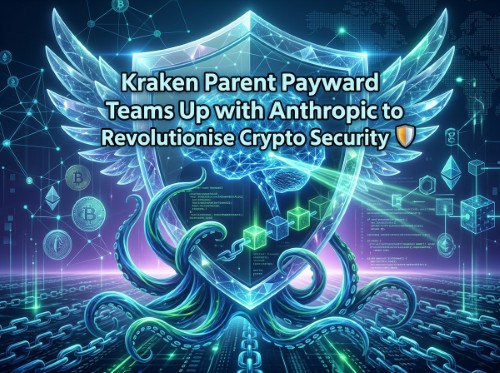
To turn the tables on increasingly sophisticated cyber threats, Payward—the parent company behind major cryptocurrency exchange Kraken—has officially joined Anthropic's elite Project Glasswing cybersecurity initiative. By gaining access to Anthropic's advanced Claude Mythos 5 artificial intelligence model, Payward aims to deploy machine-scale code analysis to protect its global financial infrastructure and safeguard millions of crypto users.
Launched in April and expanded in June, Project Glasswing is Anthropic’s specialised cybersecurity initiative designed to give vetted, trusted organisations access to its most powerful frontier AI models. Rather than allowing hyper-capable AI tools to be exploited solely for offensive cyber operations, Glasswing focusses on weaponising AI for proactive, defensive security work.
The model at the centre of this effort, Claude Mythos 5, represents a significant leap in automated vulnerability detection. Frontier AI models of this calibre possess an extraordinary ability to read, comprehend, and evaluate millions of lines of code at unprecedented speed.
The real-world effectiveness of the Claude Mythos architecture has already been demonstrated outside the crypto sector:
By joining this initiative, Payward becomes the first reported cryptocurrency company to secure access to Claude Mythos 5, marking a pivotal moment for Web3 security standards.
For Payward, integrating Claude Mythos 5 into its existing security architecture is about transforming how threat hunting takes place. Instead of relying exclusively on manual audits or traditional static code scanners, Payward’s security division will use the model to scan core systems and internal software for hidden weaknesses.
Once Claude Mythos 5 detects a potential vulnerability, the finding is routed to Payward’s dedicated security teams for manual review, verification, and patching. This human-in-the-loop workflow ensures that AI-driven insights translate directly into actionable defensive upgrades.
As Payward Co-CEO Arjun Sethi highlighted, frontier AI offers defenders an opportunity to level the playing field. By evaluating code through the analytical lens of an adversary—but operating at machine scale—defenders can uncover and remediate vulnerabilities before attackers even have the chance to construct a functional exploit.
The benefits of Payward’s integration with Project Glasswing extend well beyond Kraken’s proprietary exchange infrastructure. Modern financial technology relies heavily on open-source code libraries and third-party software frameworks. When Payward’s AI security scans detect vulnerabilities in third-party open-source software, those findings will be responsibly disclosed to project maintainers.
This collaborative approach helps bolster the security posture of the entire Web3 ecosystem. Because many crypto platforms share common open-source dependencies, fixing a vulnerability in one library protects dozens of protocols and services simultaneously.
Payward’s entry into Project Glasswing coincides with a broader push across the digital asset industry for equal access to cutting-edge AI security tools.
An open letter organised by the Bitcoin Policy Institute was recently submitted to major AI development labs, including Anthropic and OpenAI. Signed by over 40 prominent cryptocurrency organisations and investment firms—such as Block, Coinbase, BitGo, and Ark Invest—the letter urged frontier AI labs to grant qualified security researchers and financial infrastructure defenders access to their most powerful models.
The collective message from the crypto industry was clear: as cyber adversaries increasingly leverage AI to automate attack vectors, defenders protecting open-source financial networks must be equipped with equivalent AI capabilities to safeguard global capital.
Payward’s adoption of Claude Mythos 5 signals a major shift towards automated, proactive security in the digital asset sector. By fusing frontier artificial intelligence with rigorous human review, Payward is setting a precedent for how financial institutions can preemptively defend against sophisticated cyber threats.
As AI models continue to evolve, the race between offensive exploitation and defensive mitigation will only intensify. Strategic partnerships like Project Glasswing ensure that defenders stay one step ahead, establishing a safer environment for digital asset holders worldwide.
Disclaimer: This article is provided for informational purposes only, mistakes may be made, and it's not offered or intended to be used as legal, tax, investment, financial, or any other advice.