x




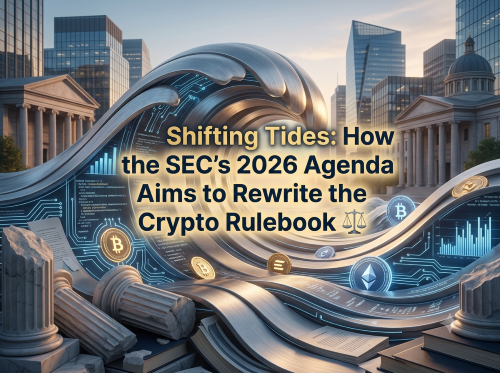
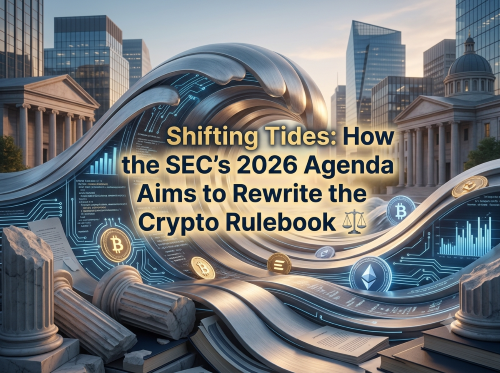
The regulatory landscape for digital assets in the United States is on the verge of a seismic shift. In a highly anticipated announcement, the US Securities and Exchange Commission (SEC) has unveiled its annual regulatory agenda for 2026, placing crypto asset rule changes right at the top of its priority list. Led by SEC Chairman Paul Atkins, the commission is moving swiftly to alter its approach from enforcement-led crackdowns to creating what it describes as clear "rules of the road" for the digital asset economy.
This pivot marks a deliberate alignment with the broader policy objectives of the Trump administration, which has publicised its goal to position the United States as the global capital for cryptocurrency. However, while market participants welcome the promise of regulatory clarity, the sudden shift has sparked fierce political debate and accusations of leniency from critics.
According to the official notice, the SEC’s 2026 agenda includes three primary proposed rule changes specifically designed to formalise and integrate digital assets into the mainstream financial system. Rather than relying on court battles to define the status of tokens, the regulator intends to establish a proactive framework focused on three key areas:
Chairman Atkins emphasised that these changes are designed to foster capital formation and accommodate technological innovation onchain, whilst simultaneously ensuring that everyday investors remain protected and well-informed.
The SEC's ambitious agenda arrives at a complicated time. The US Congress is currently debating a major crypto market structure bill. If passed, this legislation is widely expected to shift a significant portion of industry oversight and enforcement away from the SEC and over to the Commodity Futures Trading Commission (CFTC), which is historically perceived by the industry as a more pragmatic regulator.
Chairman Atkins has acknowledged this legislative friction. While he is pushing forward with an agency "bridge" to provide immediate clarity to market participants, he has signalled that the SEC will ultimately defer to any final legislation passed by Congress. For businesses operating in the space, this means that while the SEC’s new rules offer immediate relief, the long-term regulatory architecture of US crypto is still being forged in Congress.
The dramatic change in tone at the SEC has not occurred without heavy resistance. Under previous leadership, the SEC pursued aggressive enforcement actions against major industry players. Under the current administration, many of those high-profile entanglements have been dropped, leading to sharp criticism from Democratic lawmakers.
In early 2026, several House Democrats voiced their concerns in a formal letter to Chairman Atkins, accusing the administration of creating a regulatory vacuum. Critics argue that dropping enforcement actions against prominent firms like Binance, Coinbase, Ripple Labs, and Kraken leaves retail investors exposed to securities violations. They point to federal district court rulings that have previously classified certain tokens as securities, contrasting them against Atkins' recent public assertions that the majority of crypto tokens do not meet that definition.
Adding to the political drama is the openly shifting stance of President Donald Trump himself. Having previously dismissed Bitcoin as a "scam" during his first term, Trump recently admitted to reporters that he became involved with the cryptocurrency sector partly "for politics" ahead of the 2024 election, after engaging with prominent industry leaders.
While digital assets are stealing the headlines, the SEC’s 2026 agenda outlines a broader philosophical shift across traditional public and private markets. Marking the 250th year of the American Republic, Atkins expressed a desire to modernise the entire regulatory framework to reflect today's technological realities.
A key focus of the agenda is reducing the compliance burdens that have caused a decline in public listings over recent decades. Through comprehensive disclosure reforms, the SEC aims to "Make IPOs Great Again," ensuring that everyday savers and workers can participate in the growth of emerging enterprises. Furthermore, the commission is looking to democratise the private markets, proposing new mechanisms to facilitate retail investor participation in private equity opportunities that were previously restricted to wealthy insiders.
The SEC’s 2026 agenda represents a fundamental realignment of American financial regulation. By prioritising tokenised securities, digital asset custody, and capital-raising clarity, the regulator is attempting to bring the crypto industry onshore under a structured framework. Whether this pivot successfully balances market innovation with investor safety—or opens the floodgates to unregulated risk—remains the multi-billion-pound question.
For more details on this developing story, you can read the full original report on Cointelegraph:
👉 SEC crypto rule changes are high on its 2026 agenda
Disclaimer: This article is provided for informational purposes only, mistakes may be made, and it's not offered or intended to be used as legal, tax, investment, financial, or any other advice.