x



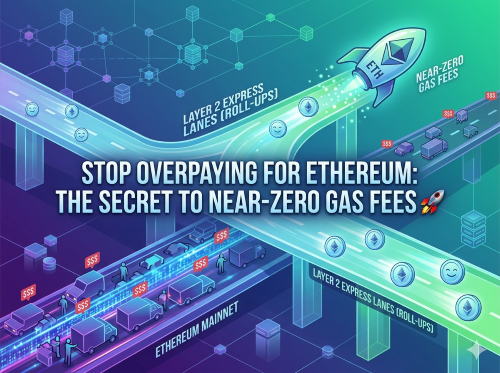
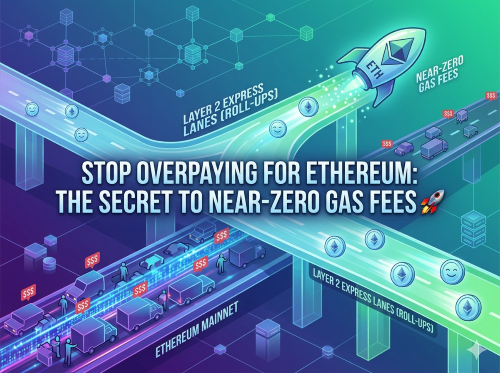
If you’ve ever tried to send a small amount of Ethereum only to be met with a gas fee that costs more than the transaction itself, you know the frustration. It’s a common wall that millions of crypto beginners hit: the realisation that moving $30 worth of ETH can sometimes cost $42 in fees. This leads many to believe that Ethereum is "broken," but the reality is quite different. You aren't using a broken network; you are simply driving in the most expensive lane during rush hour.
Ethereum is often described as a massive, shared global computer. Every time you send a transaction, you are competing with everyone else in the world for a limited amount of space in the next block. When the network gets busy—perhaps due to a viral NFT drop or a trending meme coin—users begin outbidding each other to ensure their transaction is processed first.
This bidding war is what we call a "gas fee." During quiet times, fees might be negligible, but during "rush hour," they can skyrocket. Fortunately, technical innovations have created "express lanes" that allow you to bypass these high costs while maintaining the same security and using the same wallet.
The solution to high fees lies in Layer 2 (L2) technology, specifically "roll-ups." Think of a roll-up as a bus. Instead of every passenger driving their own car (a single transaction on the main Ethereum network) and paying full price for fuel and tolls, a roll-up bundles thousands of transactions together.
By compressing these transactions into a single batch and posting them back to the main Ethereum network, the cost of security is split among thousands of users. This turns a $10 or $20 fee into a fraction of a penny. Following major network upgrades like Dencun and Pectra, these fees have dropped by over 90%, making Ethereum accessible for everyday use once again.
While there are many scaling solutions, three major players currently dominate the landscape:
The most important thing to know is that your wallet address remains the same across all these networks. However, the assets on each chain are separate. You can't spend ETH that is sitting on Arbitrum if you are connected to the Base network; you must move it first.
To get your funds onto a Layer 2, you have two primary paths:
We are rapidly approaching a future where you won't even need to think about gas fees. New technology called "account abstraction" allows applications to pay the fees for you. In this upcoming era, you might log into a crypto app using Face ID or Touch ID, and the "gas" will be handled in the background, much like how a website pays for its own server costs so you can browse for free.
By moving to a Layer 2 today, you aren't just saving money; you are stepping into the modern version of Ethereum that is faster, cheaper, and ready for global adoption.
Coin Bureau - Crypto Exchanges Don't Want You to See This (ETH Fees Trick)
"You don't have to pay $42 to send $30 in crypto! This video rips the lid off Ethereum's hidden fee structure and reveals the three express lanes (Layer 2 rollups!) that let anyone move ETH for nearly zero cost. We'll show you exactly how to switch, avoid bridge hacks, and never stress about gas again.
Understand what changed after Dencun, learn the top safe options (Base, Arbitrum, Optimism), and get the up-to-date, brutally honest beginner's guide nobody else is sharing. Jump in and keep your crypto safe!"
~ TIMESTAMPS ~
00:00 – Why sending crypto feels like a nightmare: High fees explained!
02:04 – How rush hour can cost you BIG on crypto transactions!
04:09 – The top 3 crypto networks battle-tested for real-world use!
06:12 – Ethereum Layer 2 solutions: What’s working and what’s not?
08:16 – The official bridge to cheaper crypto transactions – here's why!
10:20 – Paying gas fees with apps? How this game-changing feature works!
Source 👉 https://www.youtube.com/watch?v=7SNQS9u4rlc
Disclaimer: This article is provided for informational purposes only, mistakes may be made, and it's not offered or intended to be used as legal, tax, investment, financial, or any other advice.