x




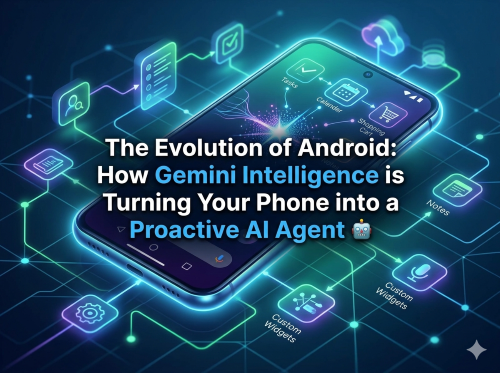
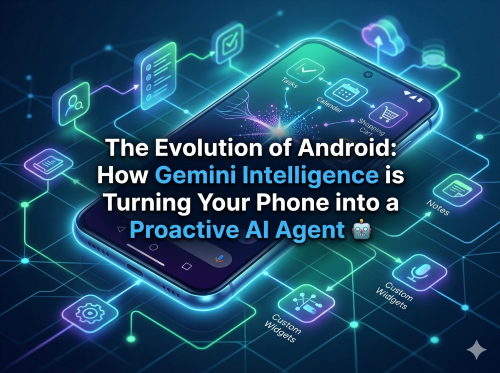
The boundary between "smartphone" and "personal assistant" is officially blurring. While we have spent the last decade manually hopping between apps, copying text, and managing notifications, Google is preparing to flip the script. With the introduction of Gemini Intelligence, Google is shifting Android from a standard operating system to a proactive "intelligence system" that understands context and takes action on your behalf.
This isn't just a minor software update; it is a fundamental redesign of how we interact with technology. Here is everything you need to know about the upcoming AI revolution coming to your Android devices.
For years, the limitation of mobile technology has been the "siloed" nature of apps. If you wanted to order groceries from a list in your notes, you had to copy the items, open a delivery app, search for each product, and add them to a cart.
Gemini Intelligence aims to eliminate this friction. By utilising visual context and deep app integration, Gemini can navigate tasks across different services with a single command. Google’s vision is a world where you can long-press your power button over a grocery list and simply say, "Build a shopping cart with these items." The AI handles the logistics—searching, selecting, and staging the order—leaving you only with the final step of hitting "confirm."
The AI boost extends deep into the core tools we use every day, specifically Google Chrome and communication apps.
To support these intelligent features, Android is debuting a redesigned interface called Material 3 Expressive. This design philosophy focusses on reducing digital noise and helping users stay focused on what matters.
One of the most exciting additions is the ability to create custom Android widgets using natural language prompts. Instead of being limited to the widgets developers provide, you can tell your phone exactly what information you want to see on your home screen and how you want it displayed.
The rollout of Gemini Intelligence is strategically timed with next-generation hardware. The features are set to debut this summer on the Samsung Galaxy S26 and the Google Pixel 10. Following this initial launch, the ecosystem will expand to include Android-powered watches, cars, and even smart glasses.
Perhaps the biggest surprise is the announcement of the Googlebook. Drawing inspiration from the 15-year legacy of the Chromebook, the Googlebook is described as the first laptop designed from the ground up for an AI-first world. It represents a shift from a cloud-first mentality to an intelligence-first architecture, potentially redefining the role of the laptop in our daily lives.
With great power comes great responsibility—and a lot of questions about privacy. Google has addressed these concerns by stating that Gemini Intelligence operates under strict user oversight. The AI does not act autonomously in the background without permission; it only initiates tasks after a specific command and requires final user approval before completing any transaction or data transfer. You remain the pilot; Gemini is simply a very capable co-pilot.
Google’s aggressive move comes at a time when other tech giants are hitting roadblocks. While competitors have faced legal and technical delays in bringing promised AI features to market, Google’s long-term investment in the Gemini model and its ownership of the Android ecosystem have placed it in a dominant position.
By integrating AI agents directly into the operating system, Google is making the "smart" in smartphone mean something entirely new.
For more details on this upcoming rollout, check out this report on Decrypt:
👉 Android Is About to Get a Lot Smarter With Google AI Boosts—Here's How
Disclaimer: This article is provided for informational purposes only, mistakes may be made, and it's not offered or intended to be used as legal, tax, investment, financial, or any other advice.