x




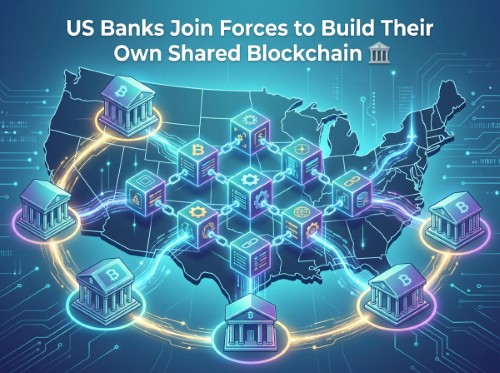
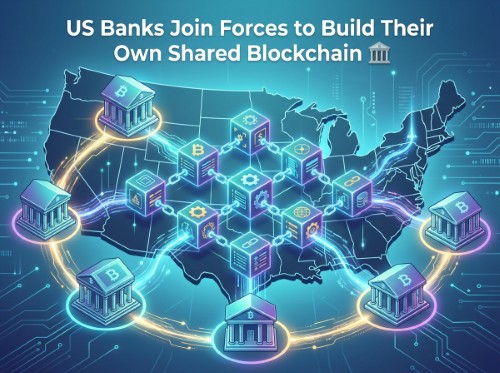
The traditional financial sector is standing on the precipice of a major technological evolution. In a bold, collective attempt to keep pace with rapid innovation in digital assets, dozens of American banking trade groups have united to take control of their own technological destiny.
Rather than relying on third-party fintech companies or Wall Street megabanks, community and regional lenders across the United States are building a custom-designed, bank-owned blockchain infrastructure. Dubbed the BankChain Alliance, this coalition aims to democratise access to distributed ledger technology, enabling financial institutions of all sizes to offer modern, programmable digital payment solutions to their customers.
The BankChain Alliance is an unprecedented coalition comprising thirty-nine state bankers associations representing thousands of commercial banks across the US. The group stretches across major economic hubs—including Texas, Florida, Pennsylvania, Massachusetts, and Washington—as well as smaller regional markets like Maine, Vermont, Idaho, and Wyoming.
The primary objective of the alliance is to design, deploy, and govern a shared blockchain network tailor-made for community and regional banking institutions. Target launch timelines point toward 2027, giving the coalition time to establish a robust framework that aligns seamlessly with existing US regulatory standards.
Interim Chair of the alliance and President of the Florida Bankers Association, Kathy Kraninger, highlighted the transformative potential of the venture. She noted that the initiative allows institutions operating in rural, urban, and regional areas to deliver cutting-edge financial services without sacrificing safety, security, or regulatory compliance.
For years, smaller financial institutions have risked falling behind as major global banks poured billions into proprietary blockchain research. The BankChain Alliance seeks to level the playing field by offering a shared, shared-cost platform capable of delivering next-generation functionality.
Key features planned for the shared network include:
By facilitating 24/7 liquidity and instant settlement, the alliance hopes to modernise day-to-day commercial banking operations, from business payrolls to cross-border remittances and trade finance.
While the vision behind the alliance is ambitious, the underlying technical infrastructure remains in its early planning stages. The coalition has not yet selected a technology vendor or decided on an underlying blockchain architecture.
It remains unclear whether the alliance will construct a custom private network or adapt existing enterprise-focused protocols such as Ethereum, XRP Ledger, or Solana. However, spokespeople for the group have confirmed a commitment to interoperability, ensuring that the network will eventually communicate smoothly with other public and private ledgers.
From a governance perspective, the BankChain Alliance is taking inspiration from a proven historical model: the Federal Home Loan Bank (FHLB) system. Under this framework, participating financial institutions will directly direct, govern, and own the network, preventing any single corporate entity or tech vendor from monopolising the platform.
The formation of the BankChain Alliance reflects a broader trend of traditional finance embracing tokenisation. Over the past few years, financial heavyweights have transitioned from cautious experimentation to active deployment:
Without a shared solution, smaller regional banks risk losing commercial deposits to major Wall Street entities capable of offering instant, round-the-clock tokenised settlement. The BankChain Alliance represents community banking's collective answer to this competitive threat.
Building a unified, multi-state bank infrastructure from the ground up is no small task. The coalition faces significant hurdles over the coming years, including selecting a scalable tech stack, establishing consensus among thousands of participating lenders, and securing approval from cautious state and federal regulators.
Nevertheless, the establishment of the BankChain Alliance marks a significant milestone in the institutionalisation of blockchain technology. If successful, it could fundamentally reshape the American banking landscape, proving that distributed ledger technology is not merely a playground for crypto-native firms, but the foundational plumbing for the future of global finance.
Disclaimer: This article is provided for informational purposes only, mistakes may be made, and it's not offered or intended to be used as legal, tax, investment, financial, or any other advice.