x




The functioning of the urinary system is sensitive to a variety of factors – both internal and external. Once the balance is disrupted, it manifests itself unpleasantly and often repeatedly. It is no wonder that at these times we turn our attention to nature and seek out herbs that are traditionally associated with supporting this area.
In both historical herbariums and modern dietary supplements, certain plants repeatedly appear, having earned their place thanks to long-term and proven use. Each of them has its own characteristics and method of processing. However, they have one thing in common: people have turned to them for generations when they want to support the natural functioning of the urinary tract.
Bearberry (Arctostaphylos uva-ursi)
is one of the oldest herbs used for urinary tract health. Its name refers to the red berries that bears seek out in the wild, but traditional herbalism primarily uses the leaves. Medieval European sources and later herbaria describe it as a plant to be taken for urinary discomfort.
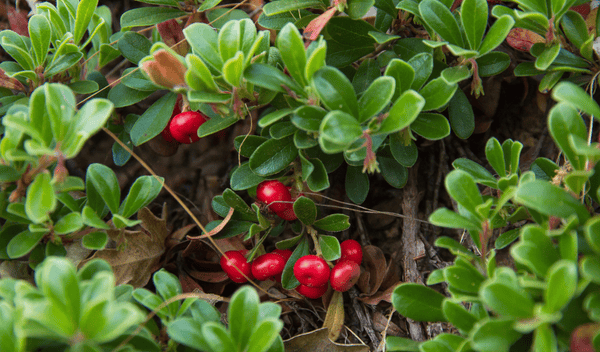 bearberry
Cranberry
The small red berries of the cranberry (Vaccinium vitis-idaea) have been part of traditional recipes for centuries, especially in Northern and Eastern Europe. They were collected in the wild, dried for the winter and used as part of homemade mixtures that accompanied common urinary problems. Even today, cranberry is one of the plants that people often reach for when they want to support the well-being of the urinary tract. A popular form of processing is capsules, which are easy to include in the daily regimen.
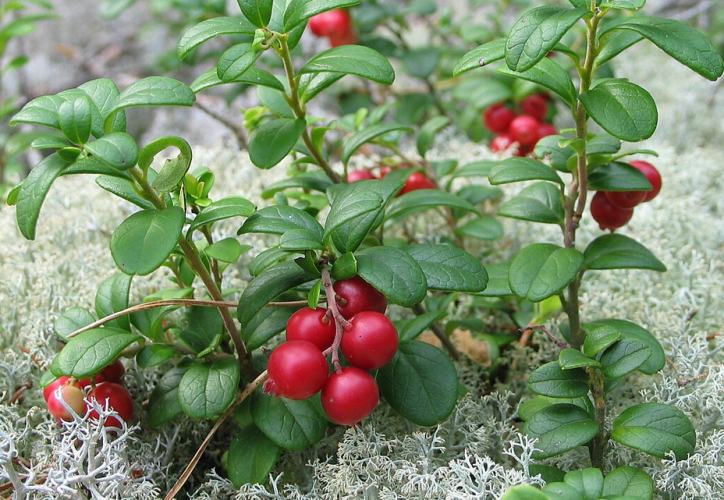 cranberry
Goldenrod
The bright yellow flowers of the goldenrod (Solidago virgaurea) are unmistakable not only in nature but also in the herbariums of European herbalism. Already in the Middle Ages, it was popularly added to mixtures aimed at the excretory system. In folk tradition, it was used not only to provide a feeling of comfort in the lower abdomen, but also to support the body's defenses.
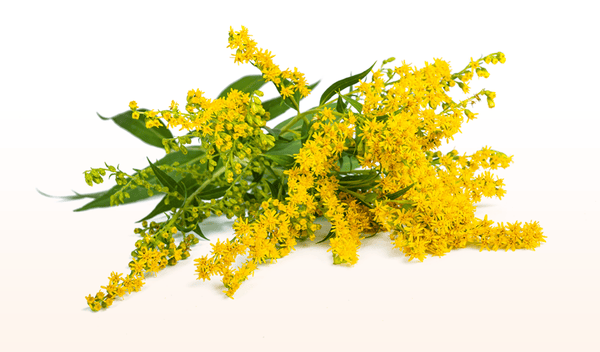 goldenrod
Small-flowered willowherb
At first glance, it seems inconspicuous - it is a low herb with small pink-purple flowers, which can be found in meadows and in foothills. Nevertheless, small-flowered willowherb (Epilobium parviflorum) has gained a reputation as a significant plant, especially in connection with male comfort and the lower urinary tract. In traditional herbariums, it was often recommended as an addition to long-term mixtures, because it combines well with other herbs.
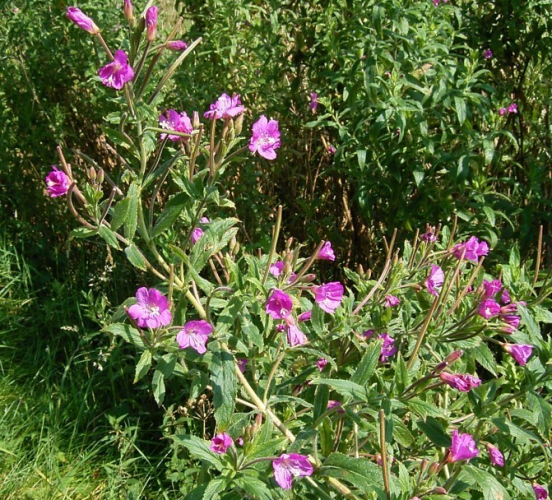 willowherb
Garden nasturtium, Indian cress or monk's cress
The bright orange flowers of the greater navel (Tropaeolum majus) distinguish it from most of the herbs we know from our gardens. It originates from South America, from where it spread to Europe in the 16th century. In addition to its ornamental role, it quickly found practical use. In traditional herbalism, it was associated with the care of the respiratory and urinary tracts and became a part of various home mixtures.
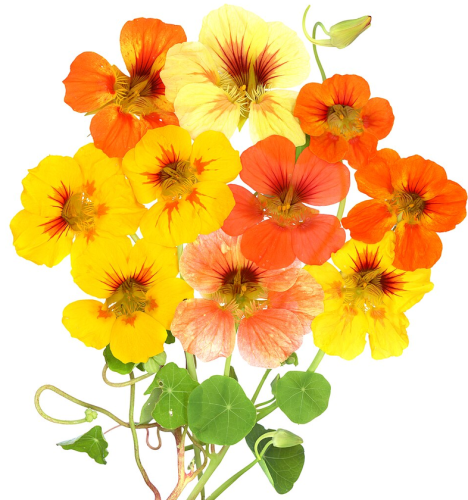 cress
Variety of combinations
When to use herbal mixtures?
Individual herbs have their own specific effects and traditions of use, but it often turns out that in combination they offer a wider variety of possible effects and better meet the needs of specific situations. Mixtures can connect multiple plants so that their properties complement each other and ensure overall comfort for the urinary and genitourinary system.
Wishing you good health
Margaret
Source: Czech web