x




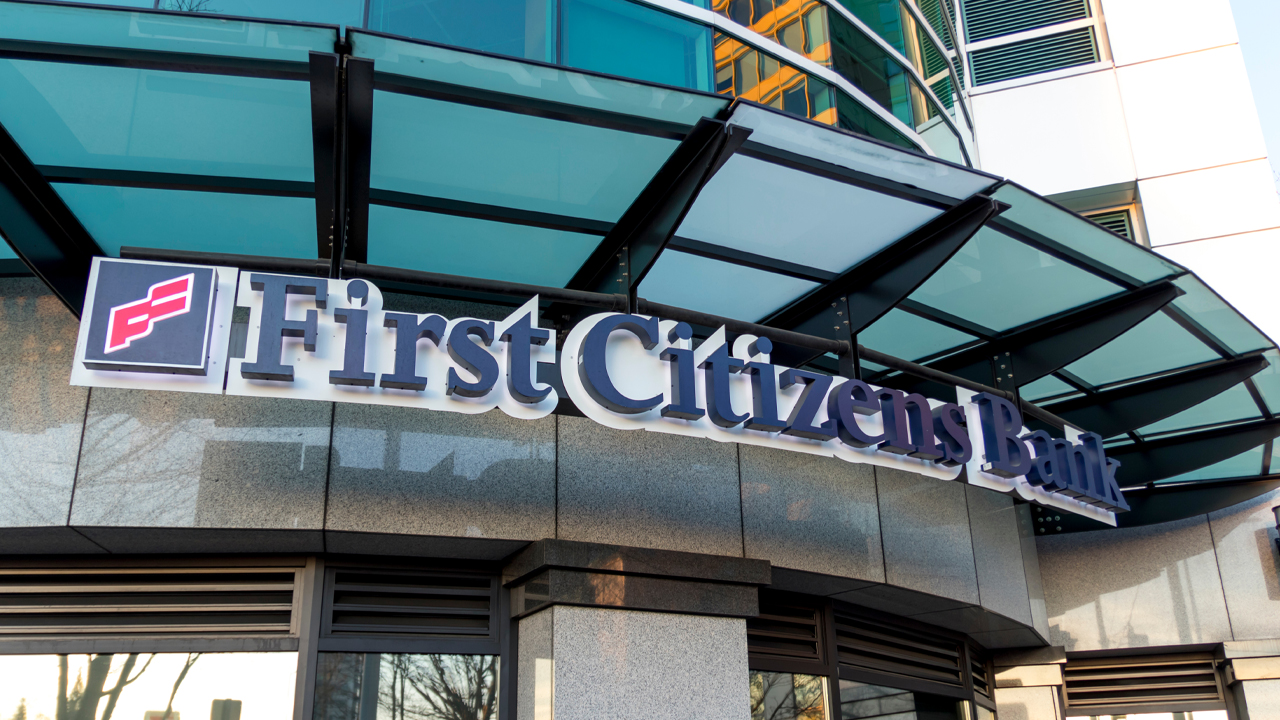
According to the Federal Deposit Insurance Corporation (FDIC), the troubled bank Silicon Valley Bank (SVB) was acquired by First Citizens Bank & Trust Company, which is based in Raleigh, North Carolina. First Citizens acquired all deposits and loans from SVB, as well as the 17 branches that SVB owned across the United States.
The FDIC has announced that First Citizens Bank has taken over Silicon Valley Bank (SVB) following the acquisition of Signature Bank by Flagstar seven days prior. According to the FDIC, as of March 10, 2023, SVB had $167 billion in total assets and approximately $119 billion in total deposits. First Citizens Bank purchased $72 billion worth of SVB’s assets “at a discount of $16.5 billion,” the FDIC said. The federal deposit insurance entity also stated that “approximately $90 billion in securities and other assets will remain in receivership for disposition by the FDIC.”
As part of the deal, the FDIC has obtained “equity appreciation rights in First Citizens Bancshares, Inc.” with a value cap of $500 million. Unlike the announcement regarding the acquisition of Signature Bank, there is no mention of cryptocurrency-related content in regard to the purchase of SVB. Prior to its acquisition by First Citizens, Valley National Bancorp had also expressed interest in purchasing the struggling California bank. First Citizens’ CEO, Frank Holding Junior, stated that his company remains committed to supporting venture capital (VC) firms.
“We are committed to building on and preserving the strong relationships that legacy SVB’s global fund banking business has with private equity and venture capital firms,” the First Citizens’ CEO said in a statement.
The FDIC announced that, in addition to the acquisition of SVB, it estimates the “cost of the failure of Silicon Valley Bank to its Deposit Insurance Fund (DIF) to be approximately $20 billion.” Although the exact cost is yet to be determined, it will be known once the FDIC ends its receivership relationship. According to economics author Joey Politano, this estimate would make SVB one of the most expensive failures in U.S. history.
“FDIC estimates that the failure of Silicon Valley Bank will cost the deposit insurance fund $20B,” tweeted Politano. “This would make it the costliest bank failure in U.S. history, surpassing Indymac’s ’08 failure (which cost $12.4B) and consuming 14% of the insurance fund, which is financed through an assessment on banks.” Compared to Signature Bank’s estimated cost to the DIF of around $2.5 billion, SVB’s losses are significantly greater.
Susannah Streeter, head of money and markets at Hargreaves Lansdown, explained in a note sent to Bitcoin.com News that the SVB acquisition has given the banking sector a brief intermission. However, there is fear of unrealized losses troubling the U.S. banking system. “The development has brought some respite to the beleaguered banking sector in early trade, with Deutsche Bank, hit by such turmoil on Friday, surging by more than 6%,” Streeter said. “In London, Barclays, Standard Chartered, HSBC, and Lloyds all moved higher as a bit more confidence returned.”
Streeter opines that dispersing parts of the failed bank to a new owner may give the regulator more “capacity to deal with problems still threatening to pop up elsewhere, particularly with U.S. regional banks.” However, the Hargreaves Lansdown market analyst says, “the big worry is that they are sitting on big piles of unrealised losses, not just in their bond portfolios, but on other assets which have been battered by the storm of high-interest rates.” Streeter added:
It’s feared that the commercial real estate sector could be the next weakest link as debt matures over the next few years and will need to be refinanced in a market where rates have soared, while valuations have fallen, and there is a lot less money sloshing around.