x




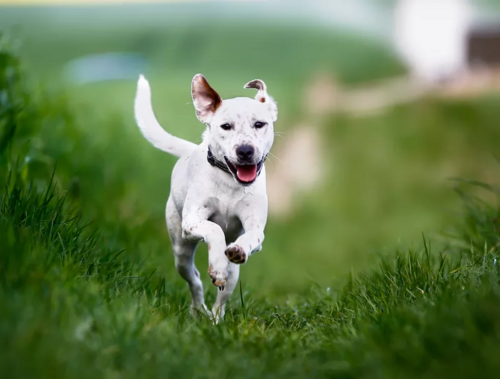

Arthritis in dogs is inflammation of the joints. This happens because a dog's joints are covered with smooth cartilage and joint fluid that allows the joints to move over one another with the least amount of friction. With arthritis, cartilage is damaged and becomes less smooth, causing the bones to rub painfully against each other.
Arthritis pain can lead to many signs of discomfort. The following includes:
According to The Kennel Club, arthritis is usually a problem in older dogs, but the condition can develop from an early age due to problems with bone and joint development. Depending on the cause, arthritis may affect one joint, or any number of your dog's joints. Most cases develop as a result of abnormal rubbing within the joint caused by:
As science and medicine continue to evolve, there are a lot of therapy options available today that target joint and arthritis pain. However, there is no single treatment, management or prevention method for arthritis in dogs. To be able to manage arthritis and the pain that comes with it, you should:
Focus on weight control. Weight control greatly depends on what you feed your fur-baby and how often. Dogs who are fed in an unlimited manner (feeds whenever the dog wants to eat) are at risk for obesity. Ideally, you should give your dog two to three meals a day instead of providing food at all times. According to VCA Hospitals, the most recent scientific data reveals that moderate excess weight alone actually shortens a dog’s life expectancy by as much as two years. Being overweight and obese set the stage for increased risk of joint damage and subsequent osteoarthritis, leading to chronic pain. As a responsible pet parent, you should be very conscious of your fur-baby's feeding time and the quality of food they are eating.
Provide quality dog food. Preventing your fur-baby from becoming obese also depends on the type of food they are eating. Provide your dog with high-quality dog food composed of fiber, whole foods, protein, calories, minerals, etc. that fits your fur-baby's age, activity level, and weight.
Exercise management. It is always best for your fur-baby to get those bones and muscles moving. Expose your dog early to doing exercises that are easy on the joints like swimming and walking. These exercises also help keep the joints healthy and help reduce the chances of cramps, sprains, and muscle injuries in your dog.
Provide a comfortable environment. Give your pup well-padded bedding that will keep them dry, warm and away from the cold. It is not advisable for your dog to lay flat on bare ground or on the hard floor.
Consult your vet. The above ways mentioned will be more effective if you consult your vet about it for proper diagnosis and treatment plans for your fur-baby's arthritis pain. They always know what’s best and safe for our pets.