x





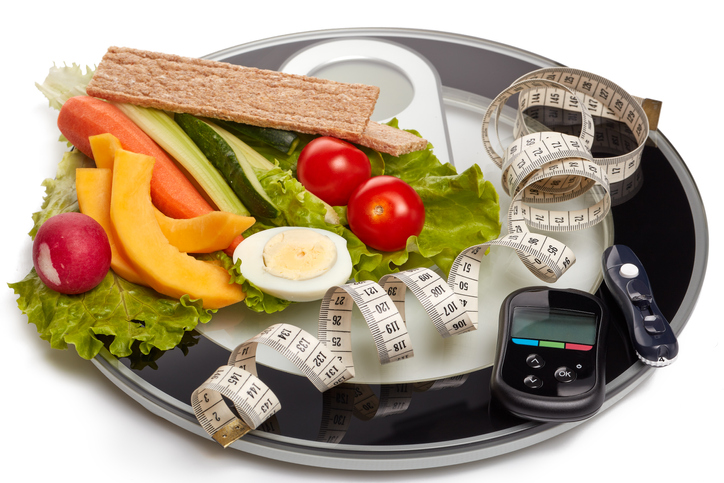
First, congratulations. Cutting down your consumption of sugar can help protect your health in the long term. Sugar-heavy diets have been linked to health conditions, including obesity, diabetes, and heart disease. Most Americans eat far too much sugar. A U.S. government health and diet survey from 2015–16 found that the average American eats about 17 teaspoons of sugar a day. The Dietary Guidelines for Americans recommend eating no more than the equivalent of 12 teaspoons of sugar a day, and the American Heart Association suggests no more than the equivalent of six teaspoons per day. To cut down on your sugar consumption, your first goal should be to focus on incorporating more whole, unprocessed foods into your daily diet. Eating more of these foods can crowd out processed sources of added sugars in your diet.
The second goal should be to become a label reader. Before you choose a product, scan the label to see if it has added sugars. Try to find products that are low in added sugars whenever possible. There can be a lot of sugar hiding in foods that don't even taste particularly sweet. This includes salad dressings, marinades, and condiments, such as barbeque sauce and ketchup. Other seemingly healthy foods that may be high in sugar are granola bars, yogurt, and even salsa.
Reducing the amount of sugar you eat can be difficult. Some experts recommend a gradual approach to make the process easier.