x





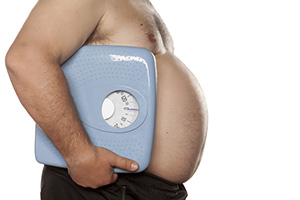
A new study has just revealed that the health risks posed by excess weight have been significantly underestimated. It had been thought that being slightly overweight was not serious and could even be beneficial in those over 60. However, the studies supporting such beliefs were flawed: they did not take into account the fact that some of the subjects studied who had a low BMI were already unwell or were at considerable risk of ill health in the near future (as a result of chronic stress, smoking, high alcohol consumption, etc.).
BMI seems to be directly linked to health problems: the more body fat you have, the greater your risk of mortality.
This morbidity effect is due to the secretion by adipose tissue of a large number of chemical messengers and hormones. Over-development of this tissue, which is more complex than we thought, deregulates countless mechanisms and gradually leads to preferential accumulation of visceral fat, hypersecretion of pro-inflammatory cytokines (resulting in chronic inflammation and accelerated ageing), insulin resistance leading to type 2 diabetes, increased blood lipids which predispose to hypertension and a greater risk of cardiovascular problems (thrombosis, changes in blood vessels).
How can we reduce the volume of our fat cells?
When we eat food, the body breaks it down and stores the energy molecules it needs to function properly. Without these energy reserves, we would need to eat all the time. But if we don’t balance our food intake with our energy expenditure, this ability to store food for energy can become a real problem.
When consumed to excess, alcohol, sugar and fat are stored in the body as lipid molecules called triglycerides. These highly-concentrated energy sources are stored in reservoir cells known as adipocytes which have the particular characteristic of being able to expand. All the time intake is exceeding expenditure, they will continue to enlarge – by as much as a factor of 100. This storing of body fat, particularly from sugars, is called lipogenesis. It also involves the recruitment of undifferentiated cells which come to ‘swell the adipocyte ranks’ if necessary. And this recruitment is permanent: people who succeed in losing a significant amount of weight retain this fat cell surplus forever. This almost certainly goes some way to explaining why previously-obese individuals regain weight more easily than others.
In contrast, when the body needs energy, it releases part of the triglycerides from adipocytes and converts them into simpler molecules or carbohydrates to meet the needs of muscles and organs. This is called lipolysis. The volume of each adipocyte decreases, at the same time reducing the overall volume of adipose tissue. If lipolysis is maintained for long enough, the effects will be visible: you will lose weight.
There are two ways of lowering fat volume: reduce lipogenesis (to prevent adipocytes from expanding like balloons) or encourage lipolysis (to use up stored triglycerides). Under normal conditions, the body manages to juggle the two according to its needs, as a result of competition between the key players (enzymes and hormones) and factors (drugs, excessive protein consumption, ratio of omega 3 to omega 6, stress, etc.).
It is therefore therapeutically important to address both the players and the factors in order to activate weight loss.
As far as the factors are concerned, it’s the usual advice: reduce your food intake, increase your energy output by taking more exercise, eat a balanced diet, lower your stress levels, and restrict your use of medication …
However, when it comes to addressing the players behind these processes, those trying to lose weight as well as the health professionals monitoring them are often unaware of the potential solutions available. Yet there are many natural compounds which can help restrict lipogenesis and promote lipolysis.
.png)